Deferred maintenance can be a challenging issue for commercial property owners and managers across Orlando, Maitland and Winter Garden. Postponed repairs or updates may seem cost effective in the short term, but over time, they can lead to higher expenses, decreased property value, and tenant dissatisfaction. For property owners in Maitland, Winter Park, and Altamonte Springs, developing a robust deferred maintenance strategy is essential for tackling these challenges while maintaining operational continuity and avoiding disruptions to tenants.
Understanding Deferred Maintenance and Its Impacts
Deferred maintenance refers to the practice of delaying necessary repairs or upgrades due to budget constraints, time limitations, or other factors. While this may seem like a reasonable compromise initially, the consequences of neglect can escalate quickly. Small issues such as outdated HVAC systems or compromised roofing can turn into significant liabilities, impacting both the structural integrity of your property and tenant satisfaction.
For commercial property owners in Orlando, Winter Park and Lake Mary, addressing deferred maintenance is even more critical due to the region's unique challenges, such as high humidity, hurricane exposure, and intense heat. Proactively managing a capital backlog through organized commercial maintenance planning can help mitigate these risks and preserve the viability of your property.
The Importance of Planning for Operational Continuity
One of the main concerns property managers face when tackling deferred maintenance is the potential disruption to tenants and operations. Apartments, retail spaces, office buildings, and industrial facilities rely on uninterrupted functionality every day. A carefully crafted deferred maintenance strategy must prioritize operational continuity to minimize downtime and avoid tenant complaints.
Phased improvements are an excellent solution for addressing property upgrades without halting daily activities. Breaking the maintenance work into smaller, manageable phases allows you to focus on one area at a time. This approach not only reduces disruption but also makes the project timeline and budgeting more predictable.
Steps to Address Deferred Maintenance Effectively
A successful deferred maintenance strategy requires thoughtful planning and execution. Here are a few key steps to ensure your approach is both effective and minimally disruptive:
1. Conduct a Thorough Property Assessment
The first step in addressing deferred maintenance is understanding the current state of your property. Conduct a comprehensive assessment that identifies critical issues, prioritizing items that may pose safety concerns or legal liabilities. Look at structural integrity, mechanical systems, roofing, windows, and electrical infrastructure.
This assessment will help you create a prioritized checklist for property upgrades, ensuring the most urgent needs are addressed first.
2. Prioritize Safety and Compliance
When planning repairs, focus on elements that affect safety, accessibility, or building code compliance. These areas present the highest risk to your property, tenants, and liability exposure. By proactively addressing these concerns, you avoid compounding problems and protect your tenants' trust.
ZLS Contractors works with property owners to ensure safety upgrades meet local regulations while maintaining operational continuity. With deep experience in commercial maintenance planning across Orlando, Lake Mary and Maitland, our team can guide you through each stage of improvement.
3. Implement Phased Improvements
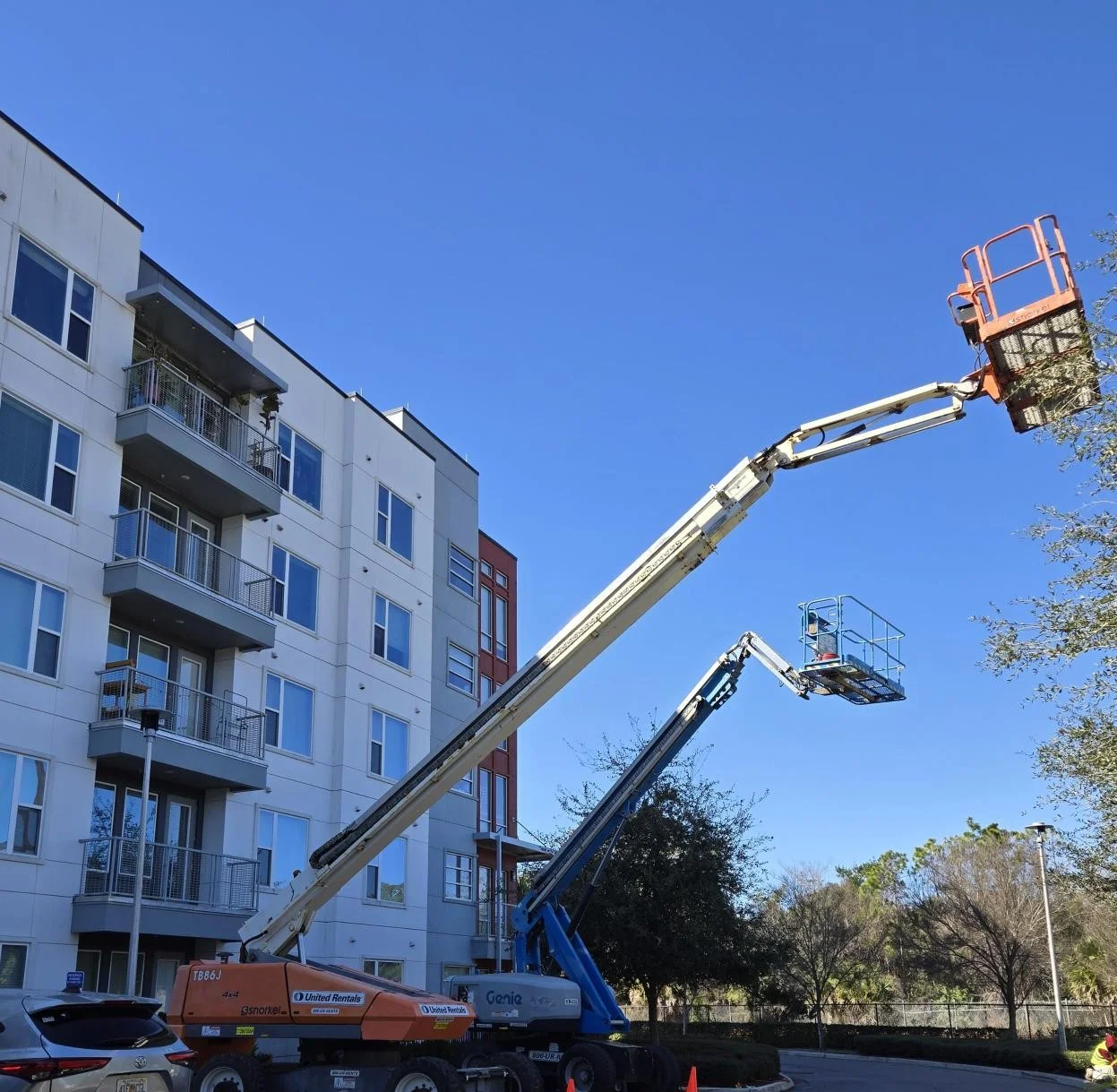
Rather than trying to overhaul an entire building at once, break your project into phases. For example, address HVAC system upgrades in one section of the property while keeping other areas operational. Similarly, if you are repairing parking lots or exterior features, stagger the schedule to limit tenant inconvenience.
Phased improvements are particularly beneficial for properties with continuous operations, such as retail stores or multifamily units. This approach minimizes disturbances while keeping the project manageable in terms of labor, expenses, and timelines.
4. Communicate Transparently with Tenants
Effective communication is critical when planning property upgrades or deferred maintenance projects. Notify tenants in advance of any planned work, including what to expect, timelines, and any temporary adjustments they may need to make.
Acknowledge potential inconveniences and emphasize the long term benefits of the improvements. Clear communications build trust with tenants and ensure they remain supportive as you work toward safer, more reliable building operations.
Benefits of Partnering with ZLS Contractors
Commercial property maintenance and renovations are complex projects that require expertise, precision, and careful coordination. Partnering with a trusted construction contractor like ZLS Contractors ensures that your deferred maintenance strategy is executed efficiently and professionally. Our team has extensive experience helping clients across Orlando, Maitland and Winter Garden address capital backlog challenges with minimal operational impact.
Whether you are addressing structural repairs, HVAC enhancements, or cosmetic property upgrades, ZLS Contractors specializes in phased improvements that protect your bottom line and tenant satisfaction. We’ll work closely with you to develop a plan that prioritizes long term planning while keeping your tenants and operations in mind.
Proactive Maintenance Protects Your Investment
Ignoring deferred maintenance may seem tempting, but the long term risks far outweigh the short term savings. By investing in regular inspections and organized commercial maintenance planning now, you can avoid costly repairs later and ensure your property remains competitive in the market.
Commercial property owners and managers in Orlando, Winter Park and Lake Mary can benefit from partnering with experienced contractors who understand the complexities of deferred maintenance. ZLS Contractors is here to help you create a customized plan that addresses your property's unique needs while preserving operational continuity.
Ready to get started? Contact ZLS Contractors today to discuss your deferred maintenance strategy and explore how we can help protect your property investment for years to come.
For professional residential improvement services in Orlando, Lake Mary and Maitland and throughout Winter Park, Winter Garden and Lake Nona, contact ZLS Contractors for a free estimate.