

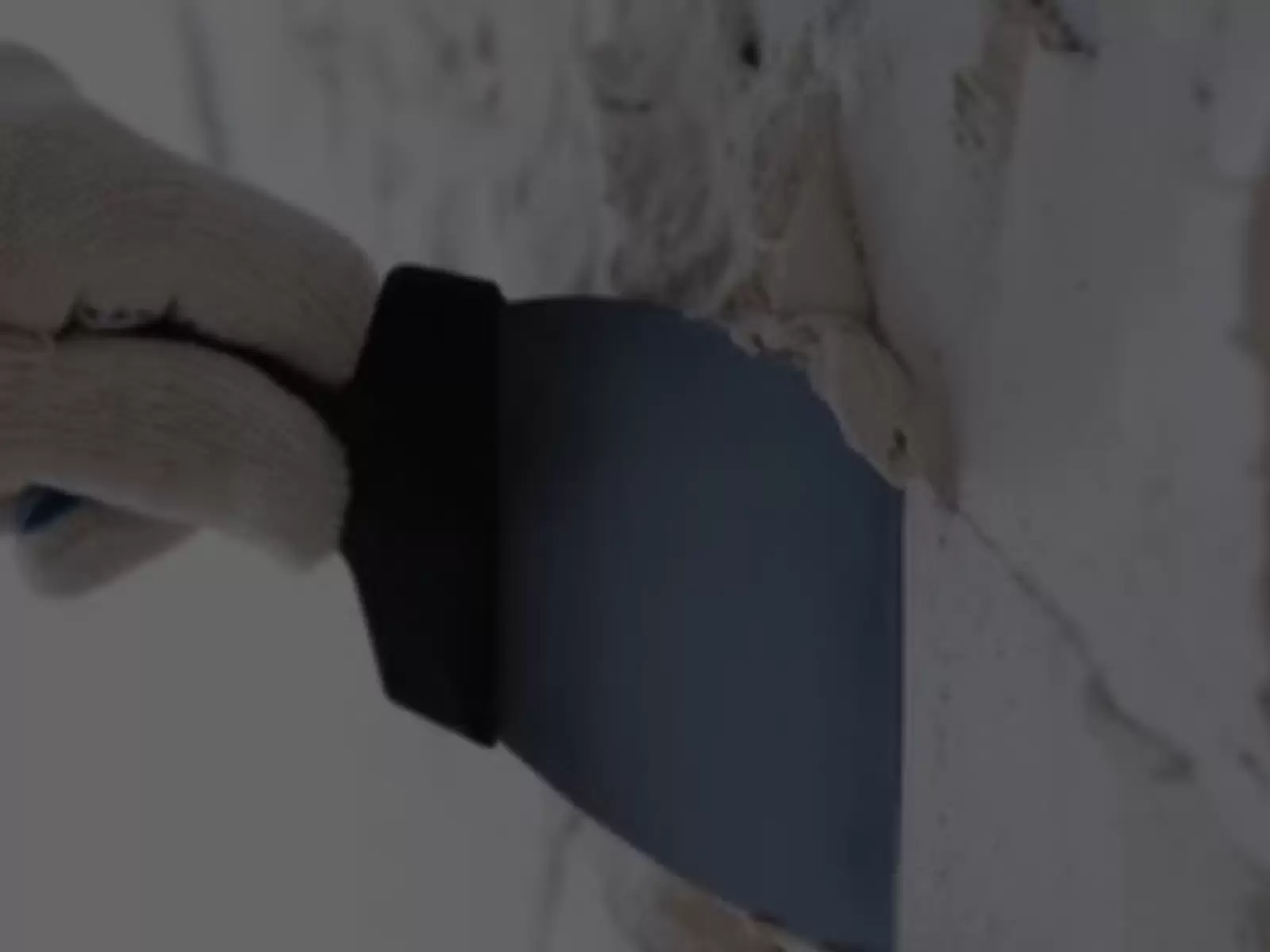
When your drywall gets damaged, figuring out whether to fix it or replace it can be tricky. This guide will help you understand when a simple repair will do and when it’s time for a bigger job, so you can make the best choice for your home.
What Kind of Damage Do You Have?
Drywall can get damaged in many ways, from everyday bumps and scrapes to more serious issues like water damage.
- Minor issues include small cracks, dents, and holes. While these might seem small, they can get worse over time if ignored, especially with changes in humidity or temperature. Untreated holes can also weaken the wall around them.
- Serious damage involves things like major water damage, mold growth, or large holes. These problems need quick attention because they can affect your home’s structure and even your health (mold, for example, can cause breathing problems).
When Can You Just Repair It?
For minor drywall issues, a repair is often all you need.
- Simple fixes: Small holes or cracks can usually be fixed easily with basic materials like spackle or joint compound, a putty knife, and sandpaper. Patching and transformation can make your walls look new again.
- Prevent bigger problems: Fixing small issues right away stops them from becoming larger, more expensive problems down the road. It also prevents moisture or pests from getting into your walls.
When Do You Need to Replace It?
Sometimes, a repair isn’t enough, and you’ll need to replace the damaged drywall.
- Significant damage: Large holes or extensive cracks (more than a few inches) usually need replacement to keep the wall strong.
- Water damage: If drywall gets wet, it weakens, sags, and can even collapse. It’s also a perfect place for mold to grow.
- Mold: Mold can grow within 24-48 hours of water exposure and can cause health issues. If your drywall has mold, it needs to be removed and replaced immediately to protect your family’s health.
Dealing with Water Damage and Mold
Water damage and mold are serious problems for drywall. When drywall gets wet, it loses its strength and becomes a breeding ground for mold. Mold spores can cause respiratory problems and allergies.
When replacing water-damaged drywall, it’s important to find and fix the source of the water problem (like a leaky pipe or poor insulation) to prevent the issue from happening again.
Cost: Repair vs. Replacement
Knowing the cost difference can help you decide:
- Repairing minor damage is generally cheaper and quicker, requiring fewer materials and less labor.
- Replacing drywall is usually more expensive because it involves buying new materials, removing the old drywall, and potentially retexturing and refinishing. However, replacement ensures a perfect, long-lasting finish and can improve your home’s overall integrity if you address underlying issues.
Should You Hire a Pro?
For big problems or complicated repairs, it’s often best to call a professional.
- Expert help: Professionals have the right tools, experience, and knowledge to fix both visible damage and hidden issues like mold or structural problems.
- Peace of mind: Hiring a skilled contractor is especially important for water damage, mold, or large-scale repairs. They can assess the damage, recommend the best solution, and ensure the job is done correctly.
Making the Right Choice
The decision to repair or replace comes down to how bad the damage is, what you want for your home in the long run, and how it affects your home’s safety and look.
- Small issues like minor cracks and holes are usually best handled with a repair.
- Big problems like extensive water damage or structural issues often require replacement. While it costs more upfront, replacement gives you a strong, good-looking result that adds to your home’s value and lasts longer.
Your home is a big investment, so taking care of it is crucial. By understanding the damage and weighing your options, you can make the best decision to keep your walls in great shape and maintain the beauty and integrity of your living space.
Drywall damage doesn’t just look bad, it can lead to bigger issues. Let ZLS Contractors fix it the right way.