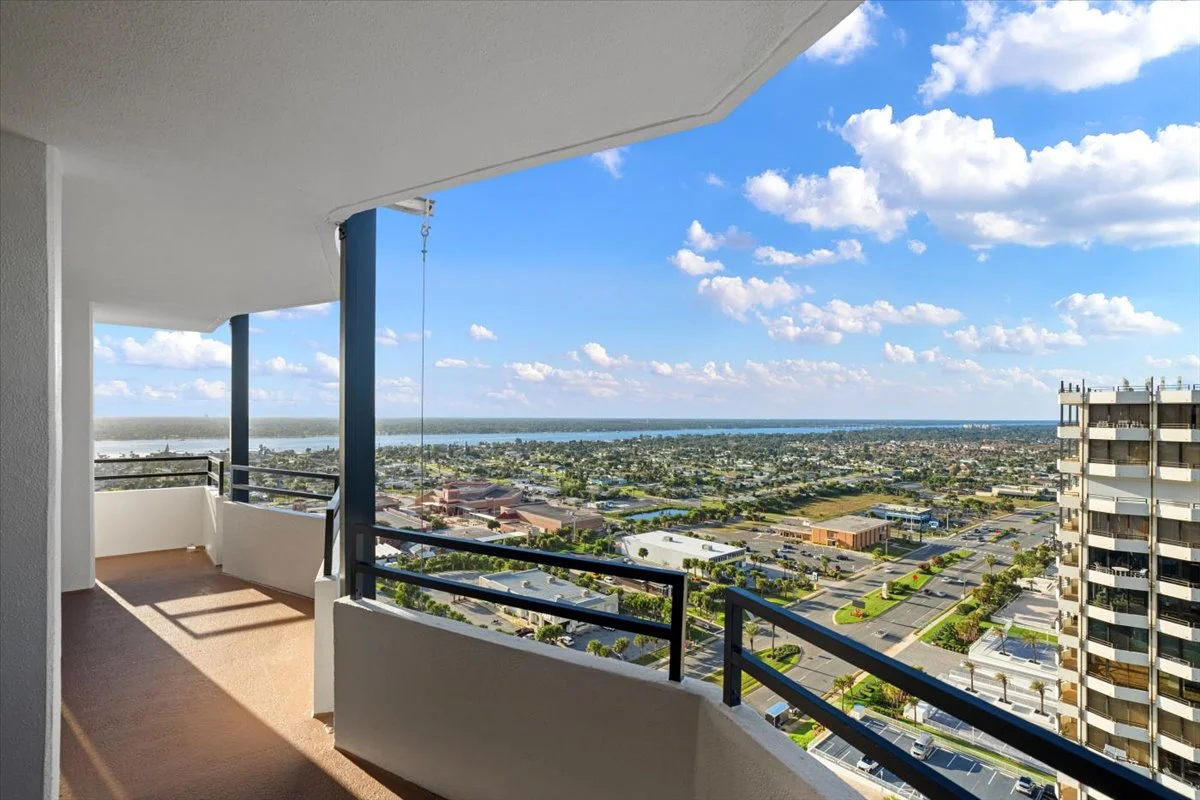
Knowing when to act on capital improvements is just as important as knowing what improvements to make. For commercial property owners and facility managers across Orlando, Lake Mary and Maitland, the question of capital improvement timing comes up constantly. Whether you manage an office complex in Winter Park, a retail center in Celebration, or an industrial facility in Altamonte Springs, getting the timing right can mean the difference between a smooth project and a costly disruption.
Why Timing Matters More Than Most Owners Realize
Capital improvement timing is not simply about picking a slow season. It involves aligning your project schedule with your financial cycles, tenant lease terms, building usage patterns, and the broader market conditions in Orlando, Maitland and Winter Garden. A roof restoration or exterior upgrade that begins at the wrong time can disrupt tenants, delay revenue, and create unnecessary friction with your stakeholders.
We work with property owners throughout the region who have learned this lesson firsthand. When we assess a building's needs, we always ask about the operational calendar before we talk about construction timelines. A school facility, for example, has very different windows of opportunity than a medical office building or a warehouse distribution center.
Reading the Signals That Tell You It Is Time
There are several clear indicators that capital improvement timing has arrived for your property. The first is deferred maintenance that has accumulated to the point where it is affecting tenant satisfaction or building performance. When HVAC systems are running inefficiently, when exterior surfaces show visible wear, or when code compliance issues have been flagged, the window for planning has already passed and the window for action is open.
Reserve studies are another important signal. If your reserve fund analysis shows that major systems are approaching the end of their useful life within the next three to five years, that is your cue to begin the planning process now. In Orlando's climate, building envelopes, roofing systems, and mechanical equipment tend to age faster than national averages due to heat, humidity, and storm exposure. We factor these regional conditions into every assessment we conduct.
Budget cycles also drive the timing of major building upgrades in a meaningful way. Most commercial properties operate on annual or multi-year capital budgets. Aligning your project planning with your fiscal year allows you to secure funding, obtain board or ownership approval, and move into design and permitting without scrambling for resources mid-cycle.
The Planning Window You Cannot Afford to Miss
One of the most common mistakes we see is owners waiting until a problem becomes urgent before beginning the planning process. By that point, the options narrow considerably. Emergency procurement costs more, contractor availability is limited, and the quality of decision-making suffers under pressure.
The ideal planning window begins 12 to 18 months before you want construction to start. This window allows for thorough condition assessments, competitive bidding, permitting, and material procurement. In the current Orlando and Maitland construction environment, lead times for certain materials and specialized subcontractors have extended, making early planning even more critical.
Our team at ZLS Contractors helps owners build out multi-year capital plans that sequence improvements logically. Rather than addressing every need at once, we help prioritize based on urgency, budget availability, and the interdependencies between systems. A building envelope restoration, for instance, should precede interior finish work so that moisture intrusion does not compromise new improvements.
Seasonal and Market Considerations in Orlando, Winter Park and Lake Mary
Orlando's climate creates specific seasonal windows that affect when major projects should begin. The dry season, running roughly from November through April, is generally preferred for exterior work, roofing, and projects that require extended periods of dry conditions. Summer months bring afternoon thunderstorms that can slow exterior progress and create scheduling challenges.
That said, interior renovations, mechanical upgrades, and structural work can proceed year-round with proper planning. We coordinate closely with our clients to identify the least disruptive windows for their specific operations. A retail property may prefer to schedule major work in January and February when foot traffic is lower. A hospitality property might target the shoulder season between peak tourism periods.
Market conditions also influence timing. When construction demand is high across the region, as it has been in recent years with Orlando's continued growth, contractor availability and material costs shift. Owners who plan ahead and engage contractors early secure better pricing and scheduling priority. Those who wait often find themselves competing for limited resources.
How ZLS Contractors Supports Your Capital Planning Process
At ZLS Contractors, we believe that capital improvement timing is a strategic decision, not just a logistical one. Our team brings deep experience with commercial properties across Orlando, Lake Mary and Maitland, and we understand the unique pressures that owners and managers face when balancing tenant relationships, financial performance, and long-term asset strategy.
We offer pre-construction consulting that helps you assess your building's current condition, identify upcoming needs, and develop a realistic timeline for improvements. Our services page at /services/commercial-services outlines the full range of commercial work we support, from structural assessments to full-scale building restoration projects.
If you are ready to think strategically about your property's future, we are ready to help. Reach out to ZLS Contractors today to schedule a consultation and start building a capital improvement plan that works for your timeline, your budget, and your tenants.