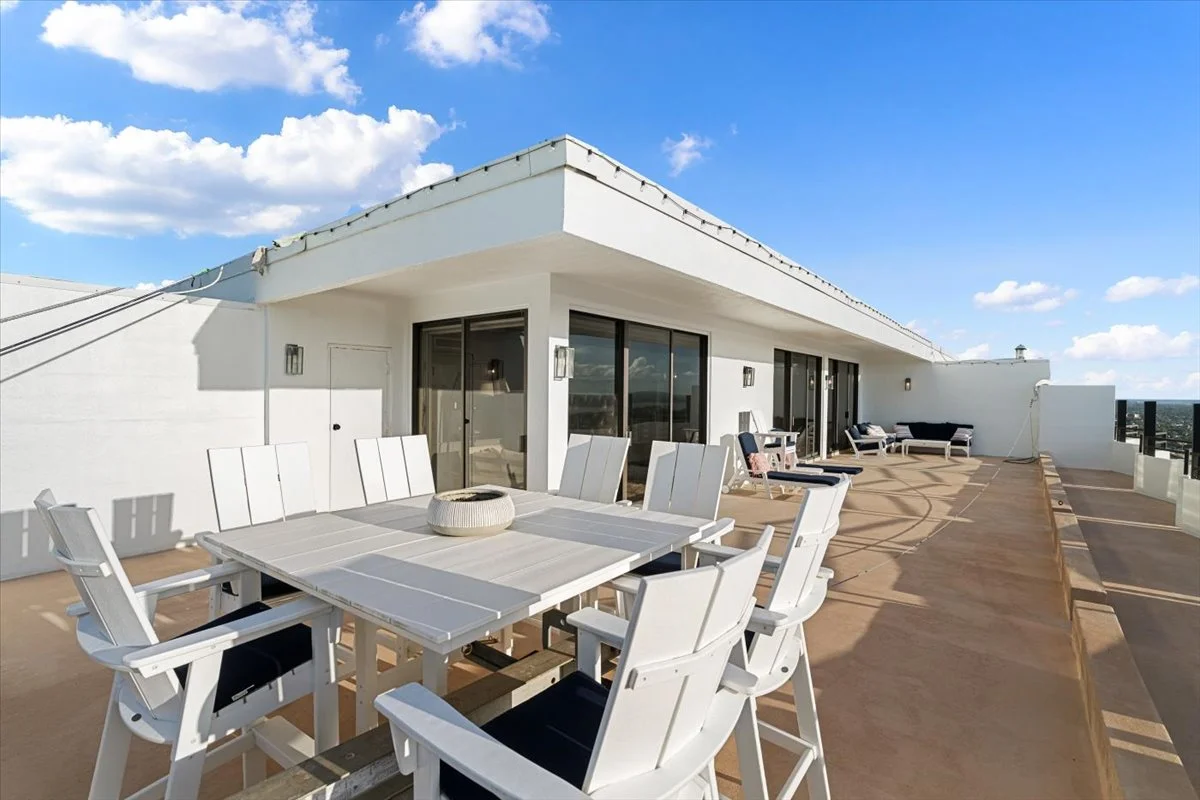
When it comes to maintaining commercial and residential properties in areas like Winter Park and Lake Nona, the difference between proactive planning and reactive repairs can be substantial. Planned property improvements allow building owners to control timelines, manage budgets, and minimize disruption, while emergency repairs often create unexpected costs and operational chaos. Understanding why strategic upgrades outperform last minute fixes is essential for anyone responsible for property management in Orlando, Winter Park and Lake Mary.
Property owners who embrace long-term planning gain significant advantages over those who wait until something breaks. Reactive maintenance is inherently more expensive because it often requires expedited services, emergency pricing, and temporary solutions that may not last. In contrast, planned property improvements can be scheduled during off-peak times, allowing for competitive bidding, bulk material purchasing, and proper project coordination. For commercial and residential owners throughout Greater Orlando, this disciplined approach consistently delivers better outcomes at lower overall cost.
The Hidden Costs of Reactive Repairs
Emergency repairs come with costs that extend far beyond the invoice. When a roof leak suddenly appears or an HVAC system fails without warning, building owners face not only repair expenses but also potential damage to inventory, tenant displacement, and lost productivity. These secondary costs can multiply quickly, especially in commercial settings where downtime directly affects revenue.
Planned property improvements eliminate much of this risk by addressing issues before they become emergencies. Regular assessments identify wear patterns and potential failure points, allowing property managers to budget appropriately and schedule work during periods that minimize business impact. This proactive approach to building maintenance transforms unpredictable expenses into manageable capital planning items.
Benefits of Strategic Property Upgrades
Long-term planning offers benefits that extend well beyond cost savings. When property upgrades are approached strategically, owners can ensure that improvements align with broader asset management goals. This might include enhancing energy efficiency, improving curb appeal, or modernizing systems to meet current standards.
Strategic upgrades also allow for better coordination between different trades and project phases. Rather than patching one problem only to discover another, comprehensive planning addresses multiple needs simultaneously. This approach reduces the total time that workers are on site and minimizes the cumulative impact on tenants or residents.
In Orlando, Lake Mary and Maitland, where weather conditions can be challenging, planned property improvements are particularly important. Scheduling exterior work during optimal weather windows ensures better results and longer-lasting outcomes. Waiting until hurricane season to address roofing issues or exterior coating problems puts properties at unnecessary risk.
How Capital Planning Protects Property Value
Commercial and residential properties represent significant investments, and maintaining their value requires ongoing attention. Capital planning provides a framework for prioritizing improvements based on both urgency and impact. This systematic approach ensures that limited resources are directed toward the upgrades that matter most.
Properties that show evidence of deferred maintenance often struggle to attract quality tenants or command premium rents. Conversely, buildings that demonstrate consistent care and planned property improvements signal to potential occupants that ownership takes pride in the asset. This perception directly affects occupancy rates and lease negotiations.
Asset management professionals understand that well-maintained properties also perform better during sales or refinancing events. Buyers and lenders scrutinize maintenance records and capital improvement histories when evaluating properties. A documented track record of strategic upgrades can justify higher valuations and more favorable terms.
Building a Proactive Maintenance Culture
Shifting from reactive repairs to planned improvements requires a change in mindset and processes. Property owners should begin by conducting comprehensive assessments of all major systems and exterior components. This baseline evaluation identifies current conditions and estimated remaining useful life for each element.
From this assessment, owners can develop multi-year capital improvement plans that spread costs appropriately and sequence work logically. Building maintenance becomes predictable rather than chaotic, and budgeting becomes more accurate. Tenants and residents benefit from advance notice of planned work, reducing friction and building trust.
Working with experienced contractors who understand property upgrade planning is essential. Knowledgeable partners can help identify issues that might not be obvious and recommend solutions that provide the best long-term value. They can also help coordinate multiple improvements to maximize efficiency and minimize disruption.
Partner with ZLS Contractors for Planned Improvements
At ZLS Contractors, we specialize in helping property owners throughout Orlando, Maitland and Winter Garden develop and execute strategic improvement plans. Our team understands that successful property upgrades require more than technical skill; they require careful planning, clear communication, and respect for your operations.
Whether you manage commercial buildings, residential complexes, or HOA properties, we can help you transition from reactive repairs to planned property improvements that protect your investment and reduce long-term costs. Contact ZLS Contractors today to discuss how strategic planning can benefit your property portfolio.
Learn more about our residential renovation services and commercial property improvements throughout Orlando.